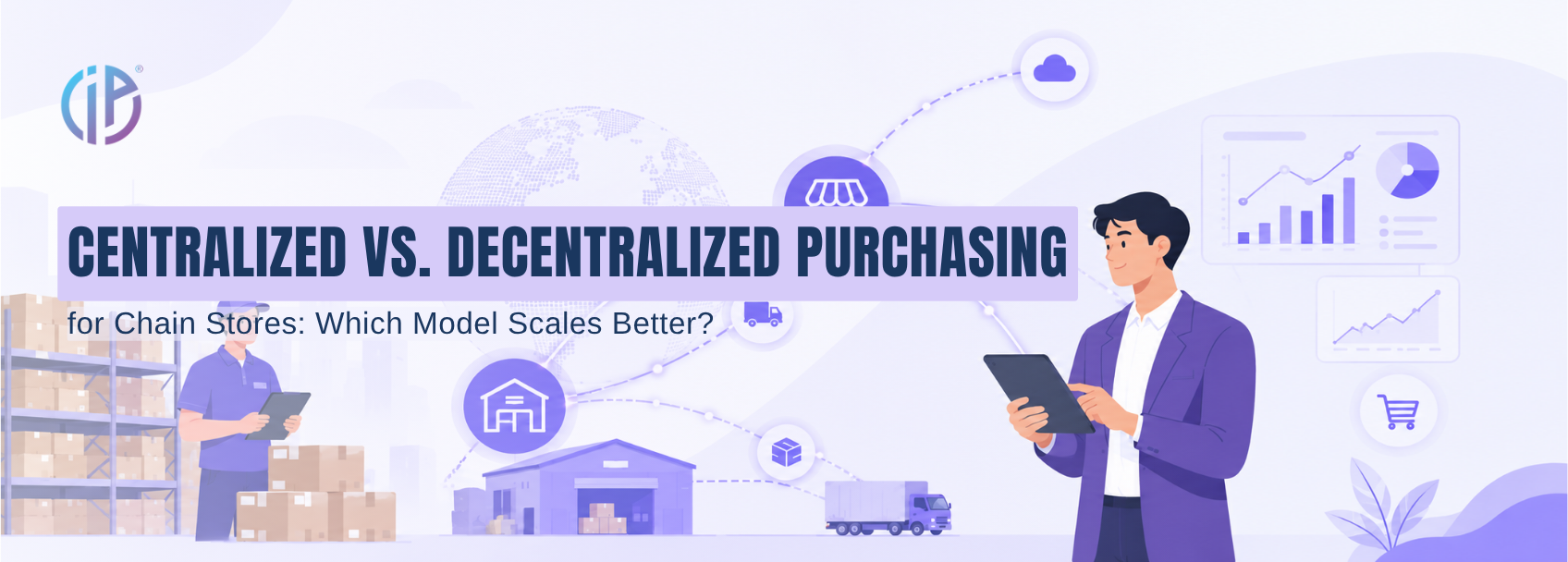
Relying entirely on a single purchasing model creates operational headaches once a retail network expands across multiple states or regions.
1. Warehouse Overstocking & Unsold Goods
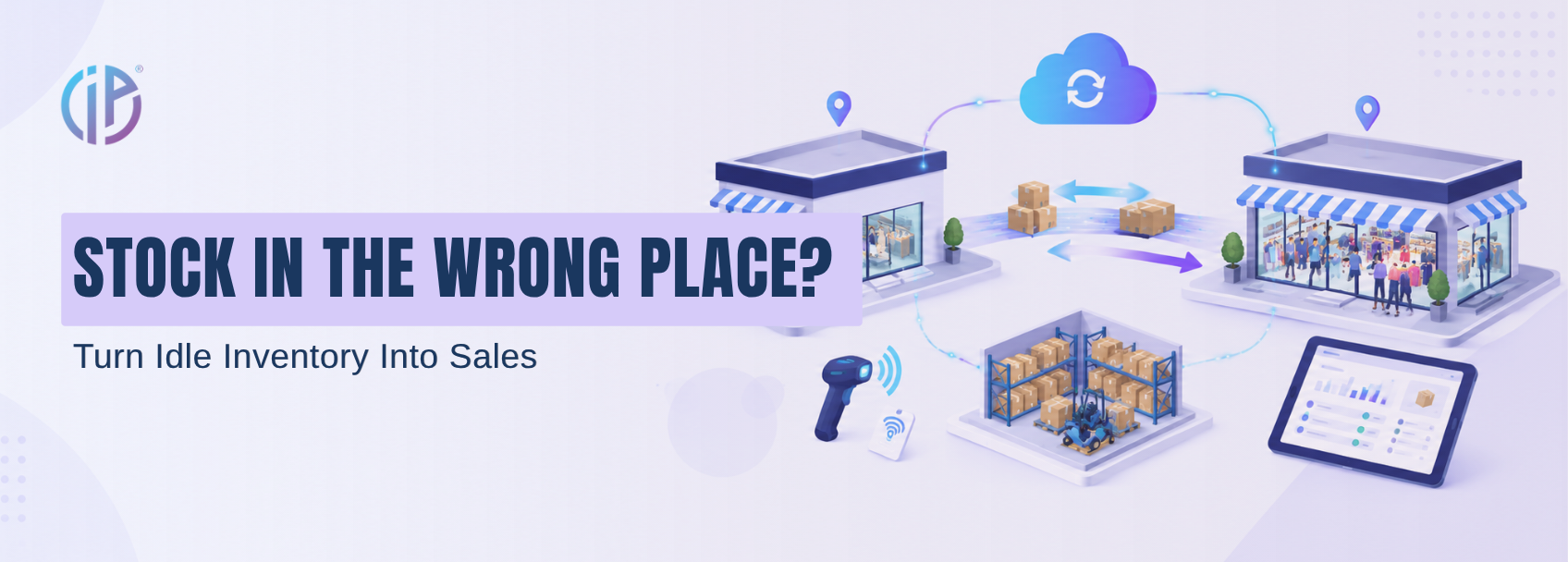
Under pure centralization, head office buyers often order massive quantities to hit bulk discount targets. If customer preferences shift in a specific region, that inventory stays trapped in the main warehouse while individual store shelves sit empty.
2. Delivery Delays & Lead Time Lags
Moving stock from a central warehouse to regional outlets takes time. By the time an Inter-Branch Transfer (moving stock from one branch to another) arrives at a distant outlet, the sudden surge in local demand may have already passed.
3. Shrinking Profit Margins
Under pure decentralization, five different branches might buy the exact same item from three different suppliers at three different prices. Without central oversight on spending, these small price differences add up and quietly eat into overall profit margins.
4. Administrative Chaos & Inventory Discrepancies
Managing paper invoices and orders across multiple locations increases human error. Unsynchronized order tracking is one of the primary causes of inventory mismatches, as highlighted in our guide on
inventory leakage.