January 8, 2026

What Is a SKU? A Practical Guide for Retail & Consignment

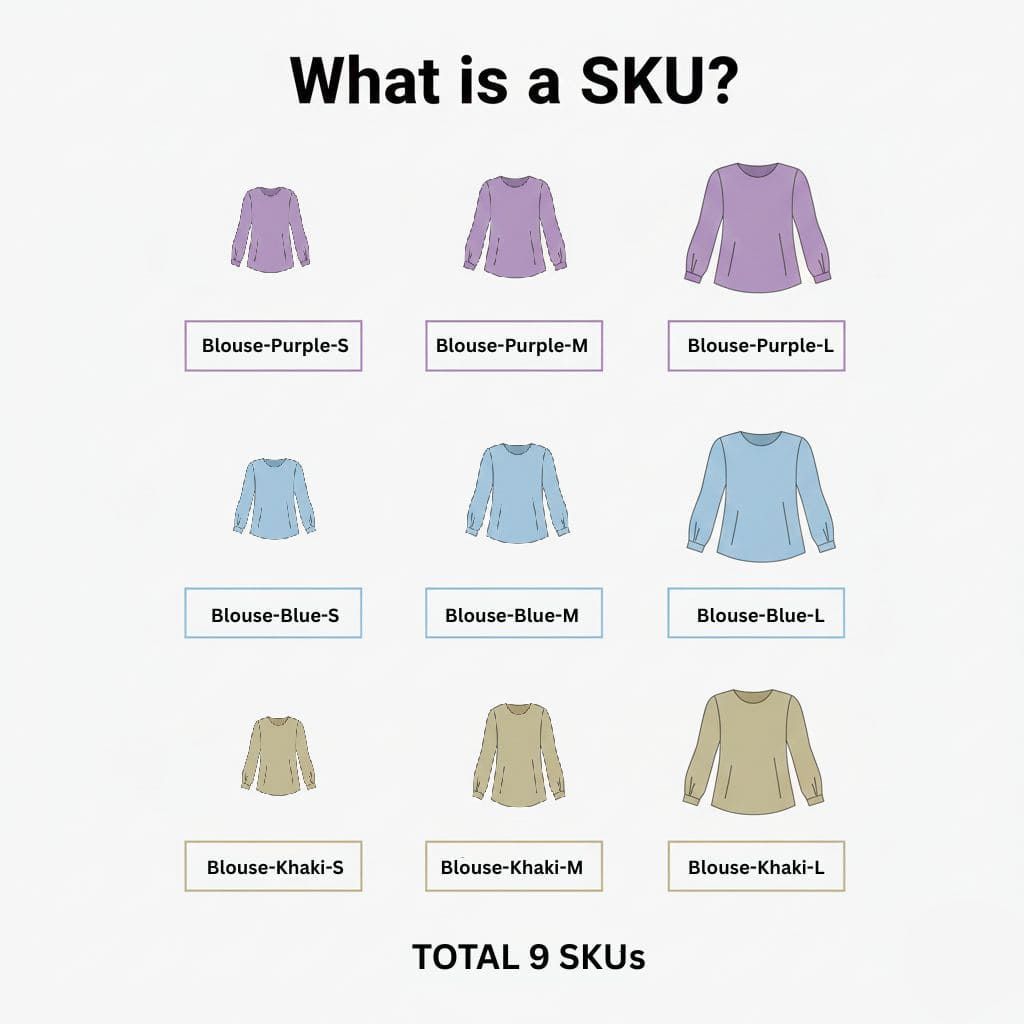
What is a SKU?

As business operations grow, inventory management becomes more complex than simply tracking “products.” Businesses start handling thousands of SKUs, multiple suppliers, different materials, sales channels, and mixed ownership models such as consignment.


At iDCP, we see retailers, distributors, and brand owners face this challenge daily. One truth is consistent across industries:


“Well-structured SKU management is the foundation of operational efficiency and sustainable growth.”


This guide explains what SKUs are, why they matter, how to create them, and how effective SKU management supports real-world operations.

What is a SKU (Stock Keeping Unit)?

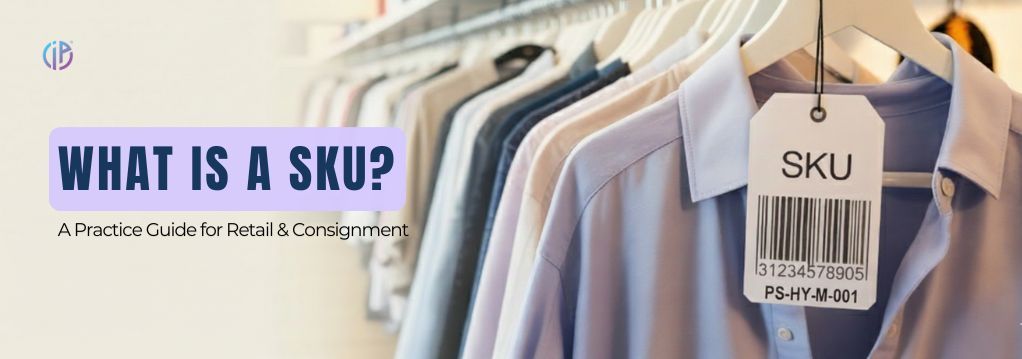
A SKU (Stock Keeping Unit) is a unique, alphanumeric code assigned by a business to track a specific product internally.


Unlike barcodes or manufacturer codes, SKUs are created by each company to match their inventory logic, sales patterns, and operational needs.


  • Purpose: SKUs track stock, sales, and product variations such as size, color, group, and style.
  • Format: Alphanumeric, typically 8–12 characters, can be made up of letters, numbers, or a combination of both.
  • Creator: The business itself, allowing flexibility to structure codes according to operational priorities.


Example:


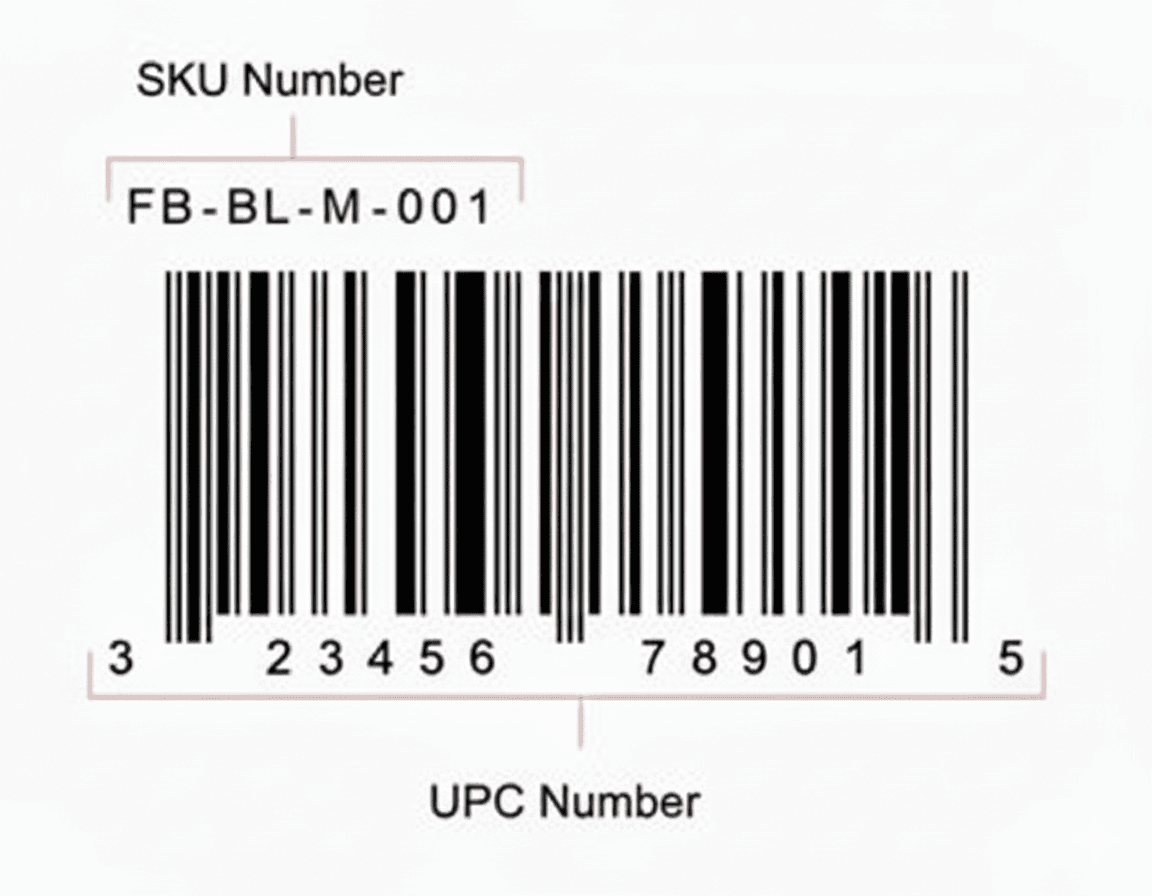
A Female Blouse Color Blue M size might have:

  • SKU: FB-BL-M-001 (internal inventory and sales tracking)
  • UPC (barcode): 012345678905 (universal for any retailer)


SKUs are meant for internal records for product identifications and analysis, while barcodes allow external scanning.

SKU number VS UPC number
What is a SKU?

SKU vs Barcode (UPC) vs Serial Number

Feature SKU UPC (Barcode) Serial Number
Scope Internal to business Universal Individual unit
Purpose Inventory & sales tracking Point-of-sale & supply chain Warranty, service, recalls
Format Alphanumeric, customizable 12-digit numeric Alphanumeric/numeric, unique per item
Creator Retailer GS1 standards body Manufacturer

Key takeaway:


SKUs provide the operational control you need for inventory clarity, reporting, and internal decision-making. Barcodes scan items universally, and serial numbers track individual units for warranty or recall purposes.

How to Create a Good SKU Number

Stock Keeping Unit (SKU) is the backbone of inventory management, sales reporting, and system accuracy.
Yet many retailers still struggle with messy, duplicated, or meaningless SKUs.


To create effective SKUs, all you need is a clear structure and consistent rules that your team follows across the business.


1. What Makes a Good SKU?


A well-designed SKU should be:


  • Unique – one SKU represents one exact product variant
  • Readable – humans can understand it without guessing
  • Consistent – follows the same structure every time
  • Scalable – works when your product range grows
  • Practical length – stick to 8–12 characters for better clarity and usability


A SKU is not just a code- it’s a language your business speaks daily.


2. A Simple & Practical SKU Structure


Most retailers create SKUs by combining key product attributes:


 [Brand] – [Category] – [Style/ Item Code] – [Color] – [Size]


You don’t need to include everything- choose what matters most to your operations.


3. Real-World SKU Example


Apparel Example:


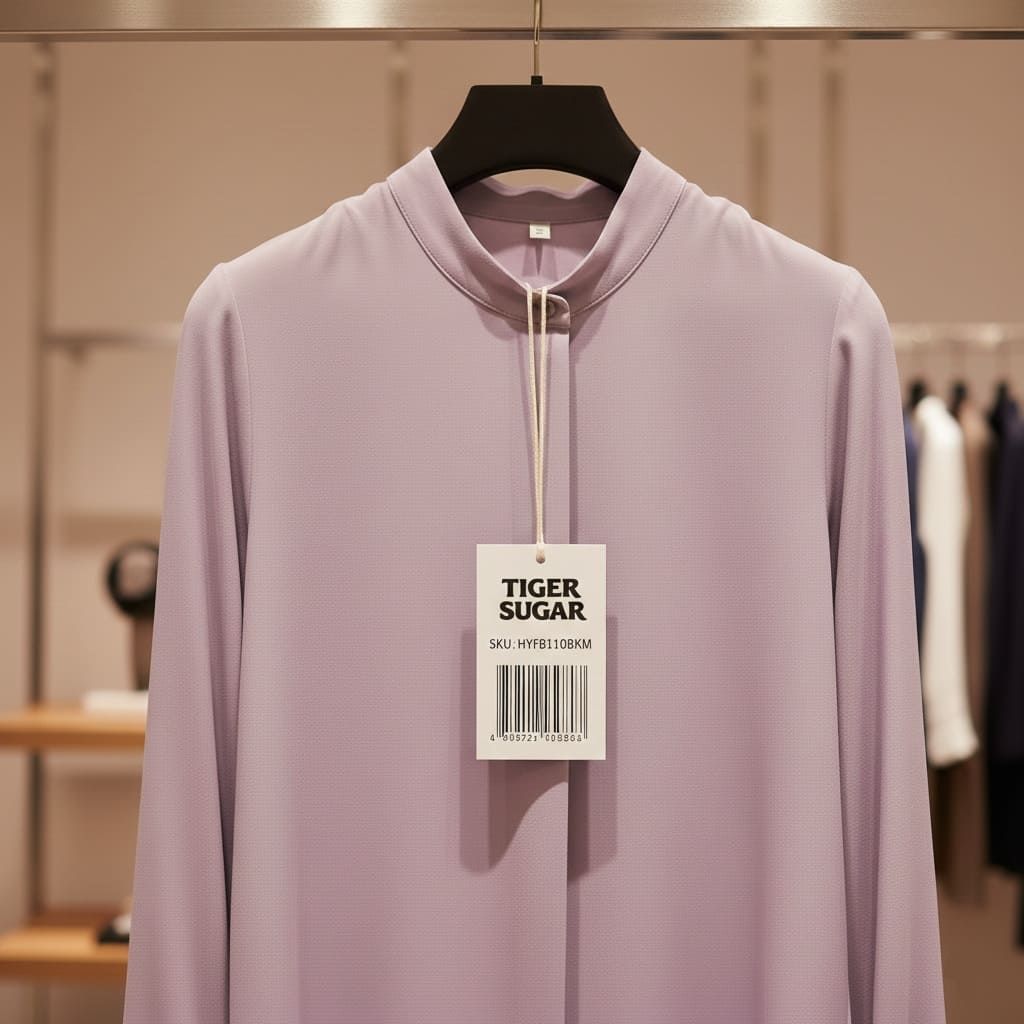
Product: [HYPEE] - [Female Blouse] - [Design] - [Black Color] - [Size M]

SKU: HYFB110BKM


Footwear Example:


Product: [Nikee Air Zom] - [Design] - [Color White] - [Size 42]

SKU: NKAZ1009WH42


Bags & Accessories Example:


Product: [Pierre Cardin] - [Tote Bag] - [Design] - [Color Green]

SKU: PCTB89GR

Brand Product Name Design/Variant Color Size SKU
HYPEE Oversized T-Shirt 110 Black M HYOTS110BKM
NIKER AIR Zom 1009 White 42 NKAZ1009WH42
PERE CARDDIN Tote Bag 89 Green PCTB89GR
Fashion retailer's SKU Barcode

4. Standardize Color & Size Codes (Highly Recommended)


Consistency prevents confusion, especially across outlets and warehouses.


Common Color Codes

  • BK = Black
  • WH = White
  • NV = Navy
  • RD = Red
  • GR = Green


Common Size Codes

  • Apparel: XS / S / M / L / XL / XXL
  • Numeric: 28 / 30 / 32 / 34
  • Footwear: 38 / 39 / 40 / 41 / 42

Common SKU Mistakes to Avoid

Consistency prevents confusion, especially across multiple brands, outlets and suppliers.


❌ Changing SKU format halfway - results in inconsistent data and unreliable reports.

❌ Reusing SKUs for new products - causes inventory confusion and inaccurate stock records.

❌ Overly long SKU codes - difficult for staff to read and prone to input errors.

❌ Embedding price or season that may change - forces SKU changes when prices or seasons change, breaking historical data.

❌ Relying on supplier or manufacturer SKUs as internal codes - internal not able to do insightful analysis


The Difference Between Retailer SKU Barcode and Consignment Department Store Barcode

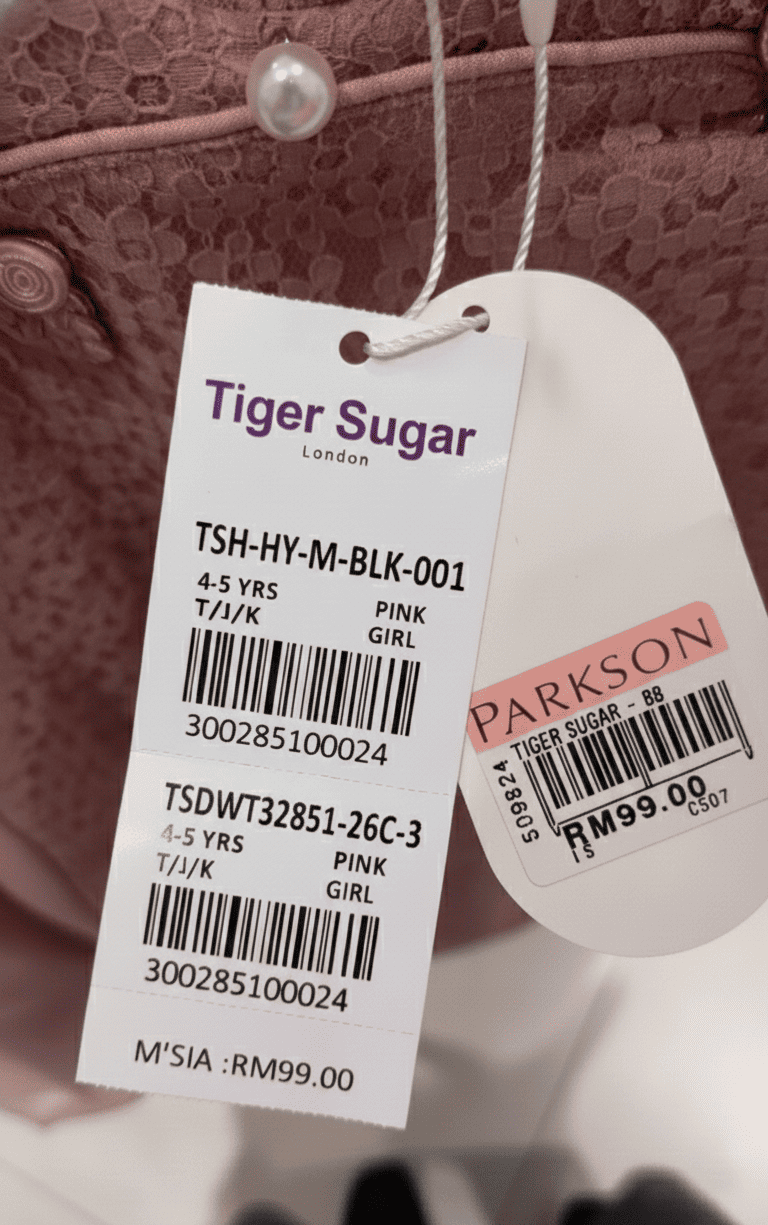
In department stores, products often carry two different barcodes:


  • Department Store Barcode: The store usually applies its own internal barcode labels to indicate the product brand, price.


  • Consignor Barcode / SKU: For consigned items, the supplier or consignor attaches a separate price tag or SKU, unique to that retailer, to track ownership and sales of the consigned products.


Managing these dual barcodes manually can be challenging, especially when tracking sales and inventory across multiple stores.


With iDCP Consignment ERP, consignment stock management is simple. You can map department store codes and location codes to the system, import monthly sales reports, and track sales in real-time via the mobile app. iDCP automatically updates stock levels, adjustments, sales, and supplier payments, giving full visibility and helping consignors spot fast-selling items and slow movers.

Retailer's SKU Barcode and Consignment Store Barcode

Why SKUs Matters

A well-designed SKU system can transform your inventory management strategies. Here’s how:


1. Monitor trends and inventory levels


Each product has a unique SKU, allowing detailed tracking of sales by product attributes. With SKU-level visibility:


  • You can identify which items sell quickly and which linger on shelves.
  • Reduce phantom inventory (stock that appears in the system but isn’t physically available).
  • Anticipate stockouts and reorder in time.


Example: If a medium blue T-shirt sells out faster than small or large sizes, SKU data helps you restock exactly what’s needed rather than guessing.


2. Calculate reorder points


SKU data allows businesses to define precise reorder points based on past sales trends, lead times, and seasonal variations.


  • Helps avoid excess inventory or stock shortages.
  • Supports automated replenishment systems to reduce manual errors.
  • Prevents tying up cash in slow-moving items.


Example: If SKU TSH-M-BLK-001 sells 10 units per week and supplier lead time is 2 weeks, your reorder point would be around 20 units. Automated alerts can trigger purchase orders immediately.


3. Forecast demand and sales


Using SKU-level data, businesses can reliably know which specific product variants customers buy most often, able to accurately predict inventory requirements and plan staffing:


  • Forecast demand by SKU for busy weekends, holidays, or seasonal peaks.
  • Identify slow-selling SKUs and reduce overstock.
  • Adjust marketing and promotions to optimize sales.


Example: A retailer notices that red hoodies sell 50% faster than other colors in winter. They can increase stock and promotional campaigns for red hoodies to maximize revenue.


4. Plan product displays


SKU data informs visual merchandising decisions:


  • Highlight fast-moving or high-margin products at eye level.
  • Group slow-moving items strategically to increase visibility.
  • Plan online layouts by product popularity and stock availability.


Example: Moving a mid-tier item from bottom shelf to eye level could boost sales by 30–40%, based on shelf placement experiments.


5. Improve the customer experience


  • Accurate SKU tracking ensures items are available when customers want them.
  • Minimizes inventory errors that frustrate shoppers.
  • Provides quick order retrieval for faster checkout and fulfillment.


Example: A customer looking for a medium black T-shirt can be confidently told the SKU is in stock across multiple store locations. iDCP POS system able to show which SKU at which outlet in real-time.

Frequently Asked Questions (FAQs)- SKUs for Retail & Consignment

  • What does SKU stand for?

    SKU stands for Stock Keeping Unit, a unique code used by businesses to identify and track inventory. It’s important because it allows companies to monitor stock levels, streamline fulfilment, and analyse sales performance at a detailed product variant level.

  • How is an SKU different from a barcode or UPC?

    An SKU is an internal identifier created by a business to organise inventory, while a barcode or UPC (Universal Product Code) is a standard machine readable code used for scanning at checkout. SKUs help manage business logic, whereas barcodes help with product scanning and automation.

  • What is an example of an SKU Number?

    An example of an SKU number could be "SHRT-BLU-M" or "SH1009010" representing a medium blue shirt. But all the SKU format varies, as each company defines SKUs based on its own inventory and tracking needs.

  • Where is the SKU number located?

    The SKU number is typically located on the product's price tag, in the product description online, or on the inventory management interface.

  • How to print SKU labels?

    Use inventory management software or label printing software to design and print SKU labels. Ensure the printer is compatible with label sheets or rolls.

  • Are SKUs and barcodes the same?

    No, SKUs and barcodes are not the same, but they are related: an SKU (Stock Keeping Unit) is an internal, alphanumeric code a business creates for inventory, while a barcode is the machine-readable visual pattern (lines) that represents the numbers (like an SKU or a universal UPC) for quick scanning.

  • Is an SKU the same as a product code?

    Not exactly. An SKU is a type of product code used internally by a business to track each product variant (like size, color, or packaging). 


    Other product codes, such as manufacturer numbers, barcodes, or UPCs, may exist for external use, but SKUs are specifically designed for inventory management and operational control.

  • Can I change SKUs after creating them?

    Yes, but changing SKUs for products already in stock can cause errors in inventory, sales, and reporting.


    Best practice: Instead of replacing SKUs, map existing codes to a master SKU in your system. This keeps inventory accurate, maintains historical data, and avoids operational disruption.


  • Do I need SKUs if I use barcodes?

    Yes, while barcodes help scan products at checkout, SKUs provide more detailed information for internal tracking and inventory management.

  • Can different suppliers use the same SKU?

    Suppliers may use their own internal product codes, but those codes often differ between vendors. A business typically assigns its own SKU to ensure consistency across systems, suppliers, and sales channels.

  • Why do stock item in departmental store has multiple price tags?

    The department store may apply its own internal barcode labels indicate about the product brand and price. 


    Another price tag is provided by the consignor who own the products, often using SKUs, which are unique to that retailer to the consigned items. 


    This allows the consignors to track the specific items within its own system and manage the associated consignment merchandise & planning.

  • Should retail businesses create own SKUs?

    Yes. Retail business should create own SKUs.


    Creating your own SKUs helps unify inventory across stores, e-commerce, and marketplaces. It prevents overselling, simplifies stock tracking, and ensures smooth omnichannel operations.

  • How does iDCP ERP make SKU management easier for fast fashion retailers?

    iDCP simplifies SKU and inventory management by automatically generating SKUs and barcodes for every product, reducing manual errors. 


    It provides a SKU matrix that handles multiple sizes, colors, and styles, so retailers can track and analyse stock accurately across all variants. 


  • Why is advanced SKU matrix useful in fast fashion retail?

    Fast-fashion retailers often sell the same product in multiple sizes, colors, or styles. iDCP Systems advanced SKU matrix management helps track all these variations efficiently, enabling faster inventory updates, accurate stock visibility, simplified ordering, and smoother sales operations across stores and online channels

Key Takeaways: SKUs Are More Than Just Codes


SKUs are not just identifiers- they are the backbone of your inventory system.


When SKU management is done well:


  • Inventory data stays accurate
  • Teams work more efficiently
  • Reporting becomes reliable
  • Business growth becomes manageable


At iDCP, we help businesses build inventory clarity from the SKU level upward- because confident inventory leads to confident decisions.


🌐 Learn more at www.idcp.my or call iDCP at +6012-9379260 to request a system demo.

iDCP Systems

iDCP Systems


iDCP Systems offers a full suite of cloud solutions tailored for distribution and retail businesses. Our offerings- from our core ERP platform to our advanced POS system, powerful mobile app, and specialized solution add-ons- help companies digitalize operations and manage multi-channel sales to scale with confidence.

Read Next Blogs


Successful ERP Data Migration: Best Practies & Tips
By Marketing December 15, 2025
Discover proven ERP data migration best practices to transfer your inventory, customer, financial, and transactional data accurately.
Malaysia's Top 10 ERP Software for Trading, wholesale and distribution
By Digital Marketing November 25, 2025
Top 10 ERP systems in Malaysia for 2026. Learn how iDCP ERP helps trading and wholesale businesses scale, automate, and gain real-time visibility.
10 best retail pos systems in Malaysia with real-time sales data
By Digital Marketing November 11, 2025
Discover the 10 best retail POS systems in Malaysia for 2025. Compare features, pricing, and why iDCP Retail POS is ideal for fashion and fast-growing multi-outlet stores.

Scale your Business with iDCP

Don’t let challenges stop your growth — together, we’ll deliver better results.

Contact Us